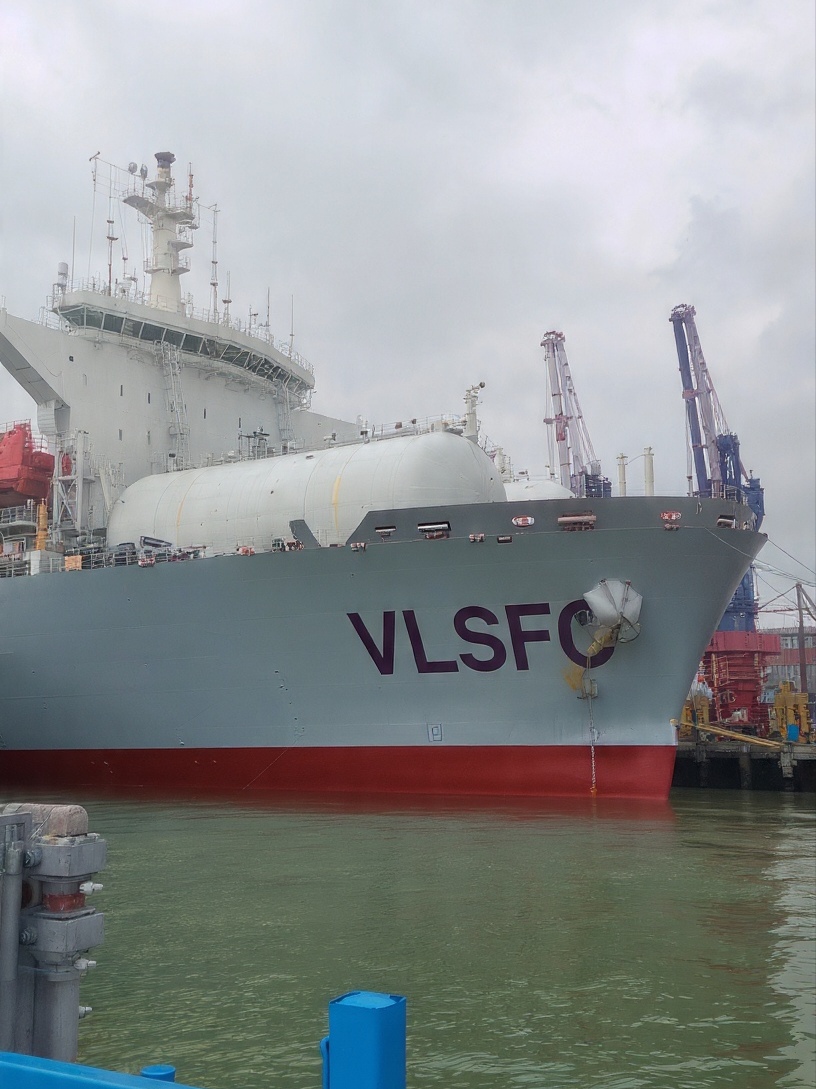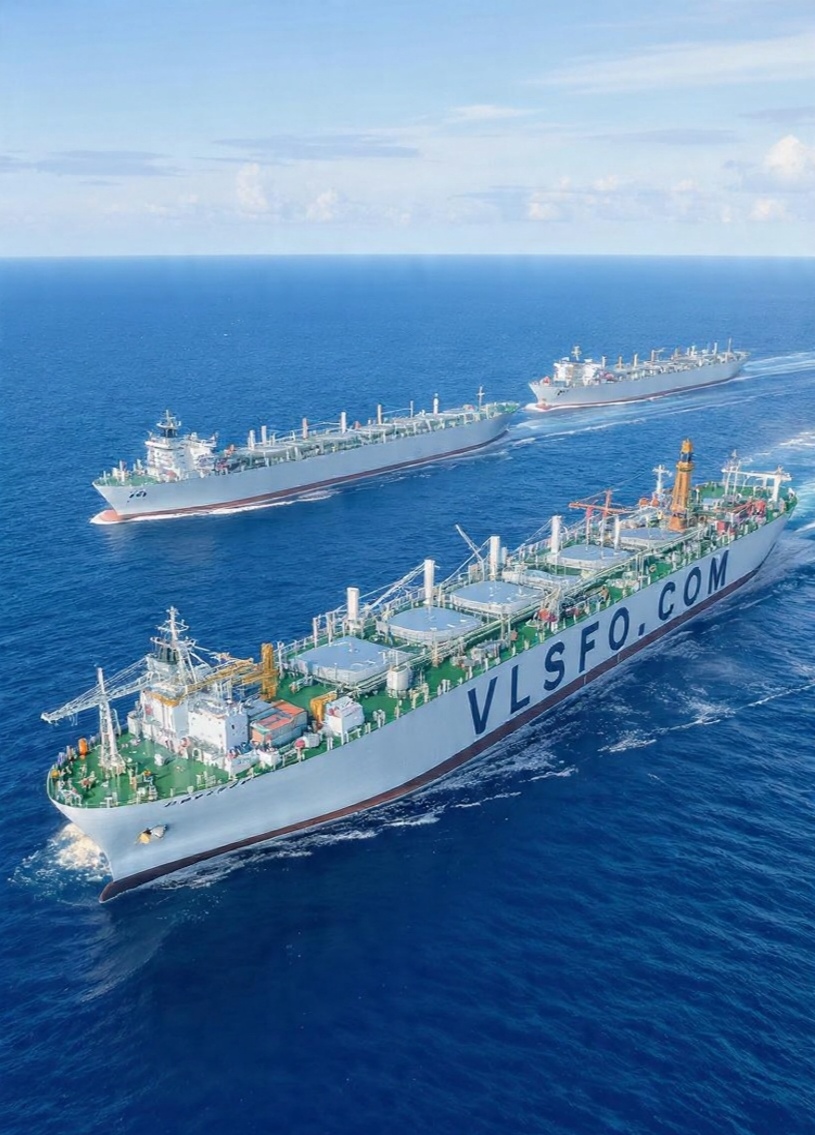
VLSFO Price Today - Live Very Low Sulphur Fuel Oil Rates

Your source for daily VLSFO bunker fuel prices, IMO 2020 compliance data, and market analysis for Singapore, Rotterdam, Fujairah, and Houston.

📊 View Live Market Dashboard →

Real-time VLSFO prices, charts & port analytics

VLSFO bunker fuel overview

1. What is VLSFO? Very Low Sulphur Fuel Oil Explained

VLSFO (Very Low Sulphur Fuel Oil) is a marine bunker fuel with a maximum sulphur content of 0.50% m/m, mandated by the IMO 2020 regulation. It replaced High Sulphur Fuel Oil (HSFO) as the standard bunker fuel for global shipping. Pricing is driven by Brent crude benchmarks, refinery margins, and regional demand at major hubs including Singapore and Rotterdam.

Shipowners and operators who need live bunker rate data will find daily VLSFO assessments, port-by-port comparisons, and cost-per-ton analytics across our platform.
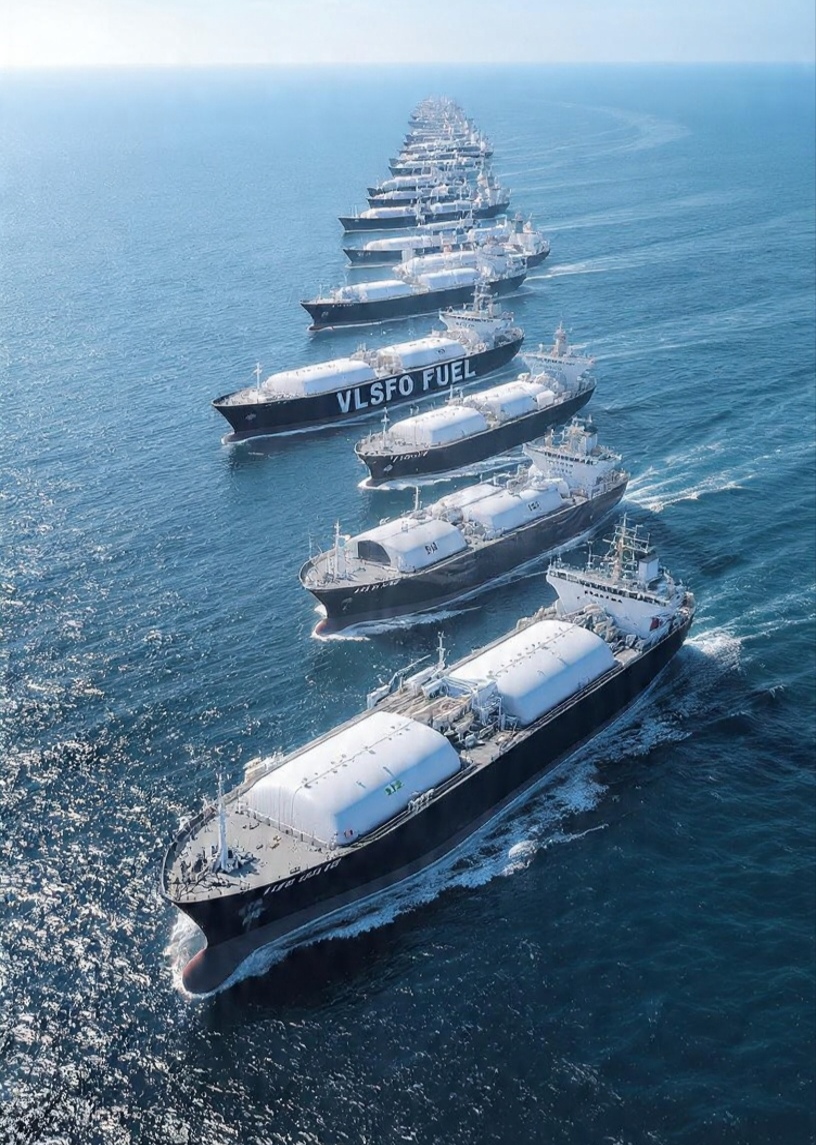

VLSFO Singapore Rotterdam Fujairah price hubs

2. VLSFO Price Today: Singapore, Rotterdam, Fujairah Live Rates

The global VLSFO market is benchmarked across three primary hubs. The Singapore price serves as the Asian reference, Rotterdam sets the European rate, and Fujairah is the critical Middle East bunkering benchmark. Our daily tracking covers price movements, regional trends, and the VLSFO premium over crude oil at all three locations.

Monitoring these rates helps fleet operators make informed hedging decisions and plan bunkering calls efficiently. Data covers 0.50% sulphur compliant fuel across all major ports.

VLSFO vs HSFO IMO 2020 compliance comparison

3. VLSFO vs HSFO: IMO 2020 Compliance and Sulphur Content

Before IMO 2020, vessels predominantly burned High Sulphur Fuel Oil at 3.5% sulphur. The regulation mandated a switch to 0.50% sulphur-compliant fuel. The key differences between these two grades lie in sulphur content, pricing, and blending stability — VLSFO carries a cost premium but ensures full regulatory compliance.

Many owners also evaluate Low Sulphur Marine Gas Oil (LSMGO) as an alternative. VLSFO is typically cheaper than MGO but requires heating and more careful compatibility management. Understanding the technical and compliance distinctions is essential for sound procurement decisions.

VLSFO density viscosity ISO 8217 specifications

4. VLSFO Technical Specs: Density, Viscosity and ISO 8217

VLSFO must meet ISO 8217 specifications. Key parameters include density (typically 920–970 kg/m³ at 15°C), viscosity (20–180 cSt at 50°C), and CCAI ratings that affect ignition quality. These properties directly influence fuel injection performance and combustion efficiency.

Poor blending stability can cause sludge formation and filter blockages. Engineers are advised to verify compatibility, cat fines content, and pour point before bunkering. Our technical data resources help crews and superintendents manage onboard fuel treatment procedures.

5. VLSFO Market News and Price Forecast 2026

The bunker fuel market in 2026 remains sensitive to OPEC+ production decisions, refinery maintenance schedules, and shifting trade patterns. Price forecast models incorporate Brent crude movements, regional inventory levels, and port-specific demand signals to generate forward-looking assessments.

Our market coverage includes price history charts, spot and forward price comparisons, and arbitrage analysis across key bunkering regions — giving traders and operators the context needed for hedging and procurement planning.

6. Where to Buy VLSFO Bunker Fuel: Suppliers and Cost

VLSFO suppliers in Singapore, Rotterdam, Houston, and Fujairah offer 0.50% sulphur fuel with varying lead times, delivery methods, and credit terms. Cost per metric ton fluctuates daily and differs significantly between ports based on local supply and logistics conditions.

Sound procurement requires validating fuel quality certificates, reviewing sulphur test results, and checking Bunker Delivery Note (BDN) compliance. Use our daily price data as a negotiation baseline when approaching suppliers.

Nanofilm Exhibit at APM 2026 Singapore

7. APM 2026: Tackling VLSFO Fuel Challenges with Nanotechnology

The Asia Pacific Maritime (APM) 2026 exhibition in Singapore spotlighted ongoing technical challenges associated with low-sulphur fuel combustion, particularly engine wear and cylinder liner durability.

One notable showcase was Nanofilm Technologies' iTAC (Ion-Bonded Tactical Advanced Coating) for piston rings — engineered to reduce friction under the demanding conditions of VLSFO combustion, with a rated service life exceeding 32,000 hours.

VLSFO.GLOBAL monitors these technical developments to help operators integrate engineering insights alongside market data for a more complete picture of bunkering decisions.

VLSFO Fuel Prices 2026: Global Market Trends and Daily Analysis

As the maritime industry continues to evolve, Very Low Sulphur Fuel Oil (VLSFO) remains the primary compliance fuel for global shipping fleets. Current market conditions show elevated volatility across major bunkering hubs.

Key Bunkering Hubs Outlook:

  • 🚢 Singapore: Prices are stabilizing amid consistent supply levels and steady bunker demand.
  • Fujairah: Market reports indicate a slight tightening in availability, influencing short-term premiums.
  • 🌊 Rotterdam: Fluctuations in European energy benchmarks continue to impact regional pricing.

At VLSFO.COM, we believe that essential maritime data should be accessible to everyone. Our platform provides free analytical insights and tools to help you navigate the bunker market efficiently.

Use our Free Bunker Calculator to estimate your voyage costs instantly!

SeaARCTOS Sulfur Emissions Reporting System

8. Global Compliance: LR Approves SeaARCTOS Sulfur Monitoring System

Lloyd's Register (LR) has granted type approval to SeaARCTOS for its exhaust gas monitoring device. The ARCTOS-1 system installs on a ship's funnel in under an hour and measures sulfur dioxide (SO₂) and carbon dioxide (CO₂) in real time, transmitting data automatically to the cloud for shipowner and regulator access.

As global sulfur limits are enforced more rigorously, continuous independent monitoring is becoming a standard requirement for vessels operating on VLSFO to demonstrate environmental compliance. VLSFO.GLOBAL tracks these regulatory developments to keep operators informed.

9. Singapore's VLSFO Market 2026: Why Real-Time Data Matters

As the undisputed global leader in marine bunkering, Singapore continues to set the benchmark for VLSFO operations. In 2026, the challenge for shipowners, charterers, and bunker traders is no longer just securing supply — it is navigating price volatility and technical specifications that directly affect operational efficiency.

The Data Transparency Gap

The maritime energy sector has historically relied on delayed market reports and fragmented data sources. Today, a price swing of just a few dollars per metric ton at the Port of Singapore can translate to significant costs at scale for major shipping lines. Understanding the exact density, viscosity, and chemical composition of fuel before purchase is equally critical for engine protection and regulatory compliance.

How VLSFO.COM Supports Decision-Making

VLSFO.COM integrates real-time market pricing with technical fuel data, providing a consolidated view for professionals who need to act on multi-million dollar procurement decisions quickly. Whether you operate from the Singapore Strait, the Middle East, or Europe, a dedicated intelligence platform reduces reliance on fragmented data and delayed reports.

10. Japan's VLSFO Market: Growth Outlook Through 2033

Japan VLSFO Market Growth Analysis

Source: Market Data Analytics on Japan's VLSFO Sector

Analytics from multiple industry sources point to sustained growth in Japan's Very Low Sulphur Fuel Oil market over the coming years, driven by regulatory pressure and a national shift toward cleaner energy sources across industrial and maritime sectors.

Driven by Sustainability and Regulation

Stricter domestic and international emission standards are accelerating VLSFO adoption among Japan's major shipping operators and port authorities. The fuel's lower sulphur profile positions it as the practical compliance choice while alternative fuel infrastructure matures.

Why Accurate Data is Essential

In a high-growth market with active international stakeholder interest, access to reliable pricing, specification, and logistics data is a competitive advantage. VLSFO.COM provides the analytical depth needed by buyers, traders, and investors assessing the Japanese bunkering landscape.

VLSFO Supply in Libya Sirte Basin Ports

11. Strategic Vision: VLSFO Supply in Libya's Sirte Basin Ports

As Libya works to restore its role as a Mediterranean energy hub, the availability of Very Low Sulphur Fuel Oil (VLSFO) at Sirte Basin ports — including Brega, Ras Lanuf, and Sidra — is increasingly relevant for regional maritime strategy. The Mediterranean remains a high-traffic corridor for international shipping, and local IMO 2020-compliant fuel supply would raise the attractiveness of Libyan ports for global fleet operators.

The Logistics of the Sirte Basin

The Sirte Basin is the backbone of Libya's oil production. Integrating VLSFO bunkering facilities within these export terminals would allow tankers to refuel at the source, reducing operational downtime. Realising this vision requires specialised infrastructure for fuel blending and storage to meet ISO 8217 standards.

Economic Impact and Environmental Leadership

Local VLSFO supply could allow Libya to capture a share of the Mediterranean bunkering market currently served by neighbouring hubs. VLSFO.GLOBAL monitors infrastructure developments in North Africa, providing data-driven insights for stakeholders evaluating the region's maritime energy potential.

VLSFO Bunkering at Panama Canal Balboa Cristobal

12. Strategic Crossroads: VLSFO Availability in Panama & Balboa

The Panama Canal is one of the most critical chokepoints in global maritime trade. As vessel traffic between the Atlantic and Pacific continues to grow, demand for IMO 2020-compliant fuel at the ports of Balboa and Cristobal has risen accordingly in early 2026.

Supply Chain Logistics

Panama's dual-coast geography offers ship operators a unique refuelling advantage. Fleet managers typically weigh the price differential between Houston and Panama — often referred to as the "Panama Spread" — to optimise refuelling decisions for transpacific voyages.

Sustainability & Compliance

Panama has implemented strict monitoring to ensure all bunkering operations meet IMO 2020 environmental standards. VLSFO.GLOBAL tracks these regulatory requirements and price movements to support logistics planning across the Americas corridor.

Gibraltar Port VLSFO Bunker Fuel Prices and Logistics

13. Gibraltar Bunker Market: VLSFO Price Trends & Mediterranean Logistics

As the primary gateway between the Atlantic Ocean and the Mediterranean Sea, the Port of Gibraltar remains a critical hub for global bunker fuel operations. For shipowners and marine fuel traders, understanding localised pricing dynamics, regional premiums, and the logistical framework in Gibraltar is essential for optimising voyage economics.

VLSFO vs. HSFO: The Scrubber Spread

A key indicator for Mediterranean operators is the Hi-5 spread — the price differential between VLSFO and High Sulphur Fuel Oil. Recent market data suggests this spread has maintained a resilient range of $100–$120 per metric ton, continuing to support the ROI case for scrubber-fitted vessels calling at Gibraltar.

Platts vs. Argus: Navigating Pricing Benchmarks

Pricing transparency in the Mediterranean bunker market relies on two primary indices. While Platts provides the foundational European physical market benchmark, traders increasingly monitor Argus average assessments to capture nuanced regional premiums. Understanding the discrepancies between these agencies enables buyers to negotiate more effectively before lifting fuel.

Arbitrage Opportunities: Rotterdam to the Mediterranean

The Gibraltar market is closely linked to Northern European supply dynamics. The Rotterdam-Med Arbitrage — securing bulk VLSFO in the ARA region and moving it to the Mediterranean — is an active strategy when price windows open. Tracking these flows helps anticipate supply swells and subsequent price corrections in the strait.

Global Context: Gibraltar vs. Houston

When planning transatlantic voyages, ship managers weigh the cost benefits of bunkering in the US Gulf Coast versus the Mediterranean. While Houston offers competitive ex-pipe rates underpinned by local refinery output, Gibraltar provides strategic geographic convenience that eliminates deviation time. Price parity between the two hubs acts as a macro indicator of global fuel flows.

Stay tuned to VLSFO.com for daily marine fuel intelligence, port price indices, and real-time market analysis.

China VLSFO Bunker Market Shanghai Ningbo Zhoushan

14. China's VLSFO Landscape: Shanghai, Ningbo-Zhoushan & Bonded Bunker Markets

China's maritime fuel consumption continues to reshape global VLSFO benchmarks. The country's major bunkering hubs — Shanghai, Ningbo-Zhoushan, Qingdao, and Shenzhen — have seen significant growth in bonded bunker fuel sales, driven by expanding port throughput and government policies supporting low-sulphur fuel adoption.

Ningbo-Zhoushan: Emerging Global Volume Leader

Ningbo-Zhoushan has solidified its position as the world's busiest port by cargo tonnage and is narrowing the gap with Singapore in bonded bunker volumes. Competitive pricing versus regional hubs and streamlined customs procedures for international vessels transiting the East China Sea have been key drivers of this growth.

Shanghai's Strategic Advantage

Shanghai functions as the financial and logistical hub of China's bunker market. The Shanghai International Energy Exchange (INE) has introduced VLSFO futures contracts, giving Chinese refiners and international traders new hedging tools. Major state suppliers including Sinopec, PetroChina, and CNOOC have expanded refining capacity to meet the 0.50% sulphur specification.

China Bonded Bunker Fuel Policy

China's bonded bunkering framework allows international ships to refuel with tax-exempt fuel in Chinese ports, making the market highly competitive. Recent moves to liberalise the bunker licensing regime have attracted international players and narrowed the price spread between Chinese ports and Singapore — with significant implications for transpacific and Asia-Europe routing decisions.

Market Outlook 2026–2027

Demand growth in China is expected to continue, supported by fleet expansion and tighter domestic environmental enforcement. Expansion of bonded bunkering zones in the Hainan Free Trade Port and Greater Bay Area will further decentralise supply and reduce regional price disparities. VLSFO.GLOBAL provides granular data on Chinese port premiums to support procurement optimisation in this evolving market.

Port of Houston VLSFO Bunker Market Analysis

15. The Port of Houston: Global Energy Hub and VLSFO Market

As the primary energy gateway in the Americas, the Port of Houston plays a critical role in setting VLSFO price benchmarks...

Strategic Significance

Houston handles more foreign waterborne tonnage than any other U.S. port, making it a vital node for global energy logistics.

Read Full Article (English)
Fish contamination sulphur emissions shipping VLSFO

16. Silent Catch: How Sulphur Emissions from Ships Contaminate Marine Life

April 21, 2026 | Environmental & Health Impact

While VLSFO (Very Low Sulphur Fuel Oil) has dramatically reduced sulphur oxide (SOx) emissions from the global shipping fleet, the marine ecosystem—and specifically fish stocks—continues to face significant contamination risks. Understanding how sulphur emissions from ships affect fish contamination is critical for both environmental regulators and the seafood industry.

Keywords: sulphur emissions fish contamination, ship fuel fish pollution, VLSFO environmental impact, SOx marine life, heavy metals fish shipping, sulphur deposition ocean, maritime pollution seafood safety, IMO 2020 fish contamination, ship emissions food chain, sulphur water acidification.

The Pathway of Sulphur into Marine Food Chains
When ships burn bunker fuel, sulphur dioxide (SO2) is released into the atmosphere. This gas eventually deposits into the ocean through both dry and wet deposition, contributing to ocean acidification. Acidified waters increase the solubility of toxic heavy metals—such as mercury, cadmium, and lead—that naturally exist in marine sediments. These mobilized heavy metals are then absorbed by phytoplankton, the foundation of the marine food web.

Bioaccumulation in Fish Species
The process of bioaccumulation means that predatory fish species—such as tuna, swordfish, mackerel, and shark—accumulate progressively higher concentrations of these toxins in their tissues. Studies from the Mediterranean Sea, the North Atlantic, and the South China Sea have documented elevated levels of methylmercury in commercially important fish species caught near major shipping lanes. For coastal communities that rely heavily on seafood as a primary protein source, this represents a significant public health hazard.

VLSFO: A Partial Solution
The IMO 2020 regulation, which mandated the switch from HSFO (3.5% sulphur) to VLSFO (0.50% sulphur), has led to a 77% reduction in SOx emissions from ships. However, VLSFO is not zero-sulphur fuel. The remaining 0.50% sulphur content means that millions of tons of SO2 are still being emitted annually over the world's oceans. Furthermore, the combustion of VLSFO can produce different particulate matter profiles compared to HSFO, some of which may have unique toxicological properties that are still being studied.

Global Hotspots of Contamination
Certain regions are particularly vulnerable to ship-sourced sulphur contamination. The Strait of Malacca, the English Channel, the Panama Canal approaches, and the Red Sea experience some of the highest shipping traffic densities in the world. In these areas, sulphur deposition rates can be up to 100 times higher than in remote ocean regions. Fish sampled from these zones consistently show higher heavy metal concentrations, leading several countries to issue consumption advisories for certain species caught near busy shipping routes.

The Path Forward: Zero-Emission Shipping
At VLSFO.COM, we believe that market transparency must go hand-in-hand with environmental responsibility. The ultimate solution to eliminating sulphur-related fish contamination lies in the transition to truly zero-emission fuels—such as green hydrogen, ammonia, and electrification. Until that transition is complete, rigorous monitoring of sulphur deposition, heavy metal levels in commercial fish stocks, and strict enforcement of emission control areas (ECAs) remain essential tools for protecting both marine ecosystems and human health.

🌐 Live Market Terminal

View real-time VLSFO prices, 24h charts, and global port analytics.

Open VLSFO.XYZ Dashboard

Looking for procurement solutions? Visit our Global Brokerage Desk

VLSFO Market Intelligence Platform

Get daily price alerts for Singapore, Rotterdam and Fujairah.

📊 VLSFO Calculator
Check VLSFO & MGO Prices