16. Silent Catch: How Sulphur Emissions from Ships Contaminate Marine Life
April 21, 2026 | Environmental & Health Impact
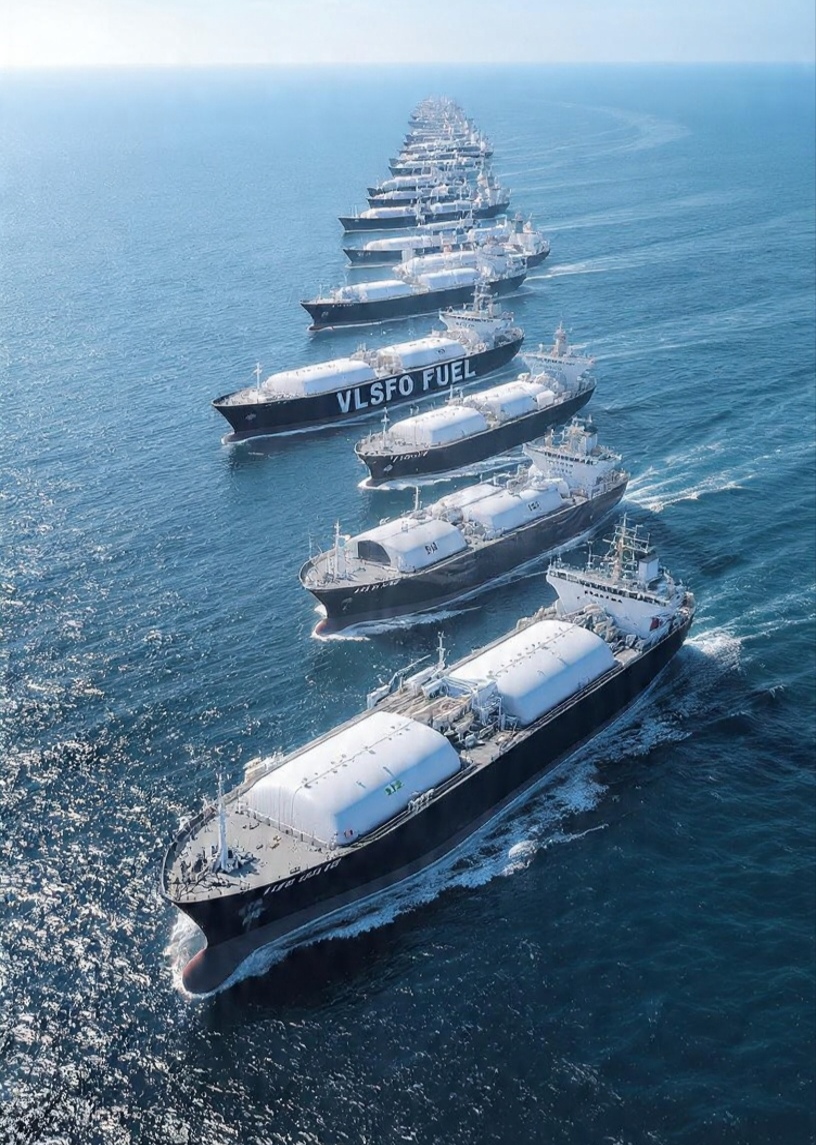
While VLSFO (Very Low Sulphur Fuel Oil) has dramatically reduced sulphur oxide (SOx) emissions from the global shipping fleet, the marine ecosystem—and specifically fish stocks—continues to face significant contamination risks. Understanding how sulphur emissions from ships affect fish contamination is critical for both environmental regulators and the seafood industry.
Keywords: sulphur emissions fish contamination, ship fuel fish pollution, VLSFO environmental impact, SOx marine life, heavy metals fish shipping, sulphur deposition ocean, maritime pollution seafood safety, IMO 2020 fish contamination, ship emissions food chain, sulphur water acidification.
The Pathway of Sulphur into Marine Food Chains
When ships burn bunker fuel, sulphur dioxide (SO2) is released into the atmosphere. This gas eventually deposits into the ocean through both dry and wet deposition, contributing to ocean acidification. Acidified waters increase the solubility of toxic heavy metals—such as mercury, cadmium, and lead—that naturally exist in marine sediments. These mobilized heavy metals are then absorbed by phytoplankton, the foundation of the marine food web.
Bioaccumulation in Fish Species
The process of bioaccumulation means that predatory fish species—such as tuna, swordfish, mackerel, and shark—accumulate progressively higher concentrations of these toxins in their tissues. Studies from the Mediterranean Sea, the North Atlantic, and the South China Sea have documented elevated levels of methylmercury in commercially important fish species caught near major shipping lanes. For coastal communities that rely heavily on seafood as a primary protein source, this represents a significant public health hazard.
VLSFO: A Partial Solution
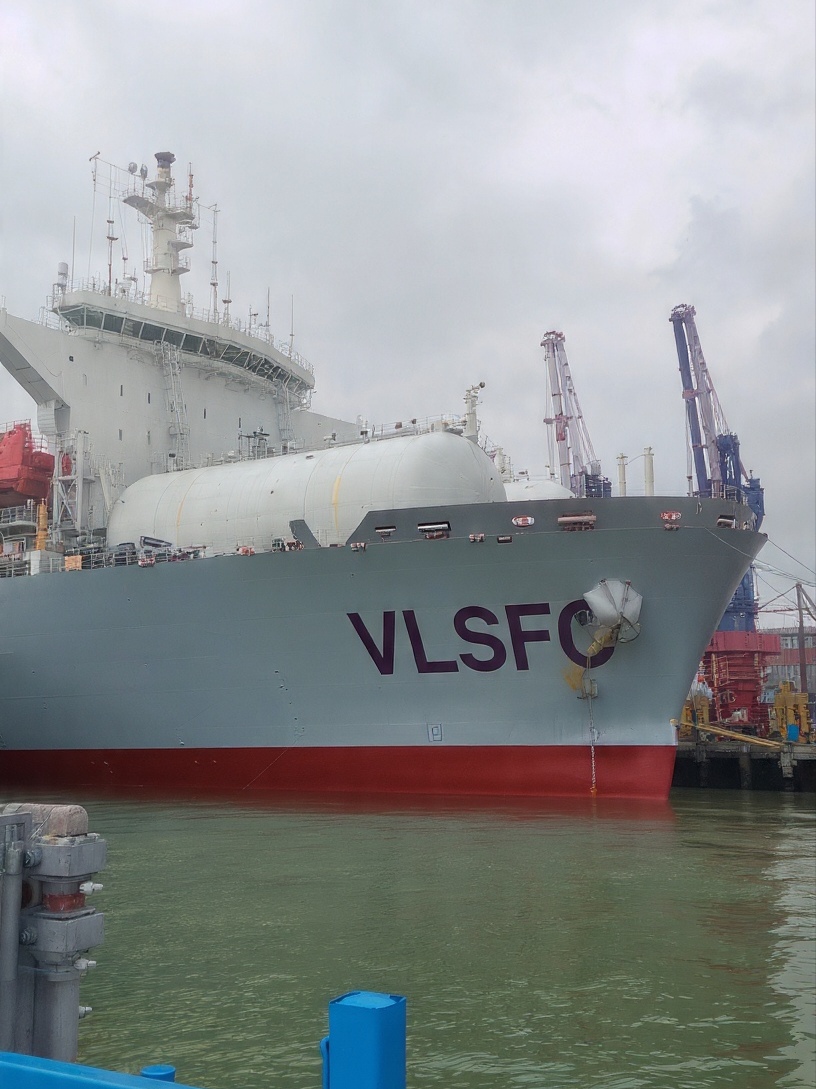
The IMO 2020 regulation, which mandated the switch from HSFO (3.5% sulphur) to VLSFO (0.50% sulphur), has led to a 77% reduction in SOx emissions from ships. However, VLSFO is not zero-sulphur fuel. The remaining 0.50% sulphur content means that millions of tons of SO2 are still being emitted annually over the world's oceans. Furthermore, the combustion of VLSFO can produce different particulate matter profiles compared to HSFO, some of which may have unique toxicological properties that are still being studied.
Global Hotspots of Contamination
Certain regions are particularly vulnerable to ship-sourced sulphur contamination. The Strait of Malacca, the English Channel, the Panama Canal approaches, and the Red Sea experience some of the highest shipping traffic densities in the world. In these areas, sulphur deposition rates can be up to 100 times higher than in remote ocean regions. Fish sampled from these zones consistently show higher heavy metal concentrations, leading several countries to issue consumption advisories for certain species caught near busy shipping routes.
The Path Forward: Zero-Emission Shipping
At VLSFO.COM, we believe that market transparency must go hand-in-hand with environmental responsibility. The ultimate solution to eliminating sulphur-related fish contamination lies in the transition to truly zero-emission fuels—such as green hydrogen, ammonia, and electrification. Until that transition is complete, rigorous monitoring of sulphur deposition, heavy metal levels in commercial fish stocks, and strict enforcement of emission control areas (ECAs) remain essential tools for protecting both marine ecosystems and human health.